One in three nonprofit boards has never formally defined what their composition should look like. The difference between an assembled board and a built board starts with one process that almost everybody skips.

One in three nonprofit boards has never formally defined what their composition should look like. The difference between an assembled board and a built board starts with one process that almost everybody skips.
Your board is hiring a new executive director. Before you post the job, make sure you understand what kind of leader your organization actually needs right now.
Someone just asked you to join a nonprofit board. Before you say yes, make sure you’re asking the right questions about time, fundraising, board culture, and what you’re actually signing up for.
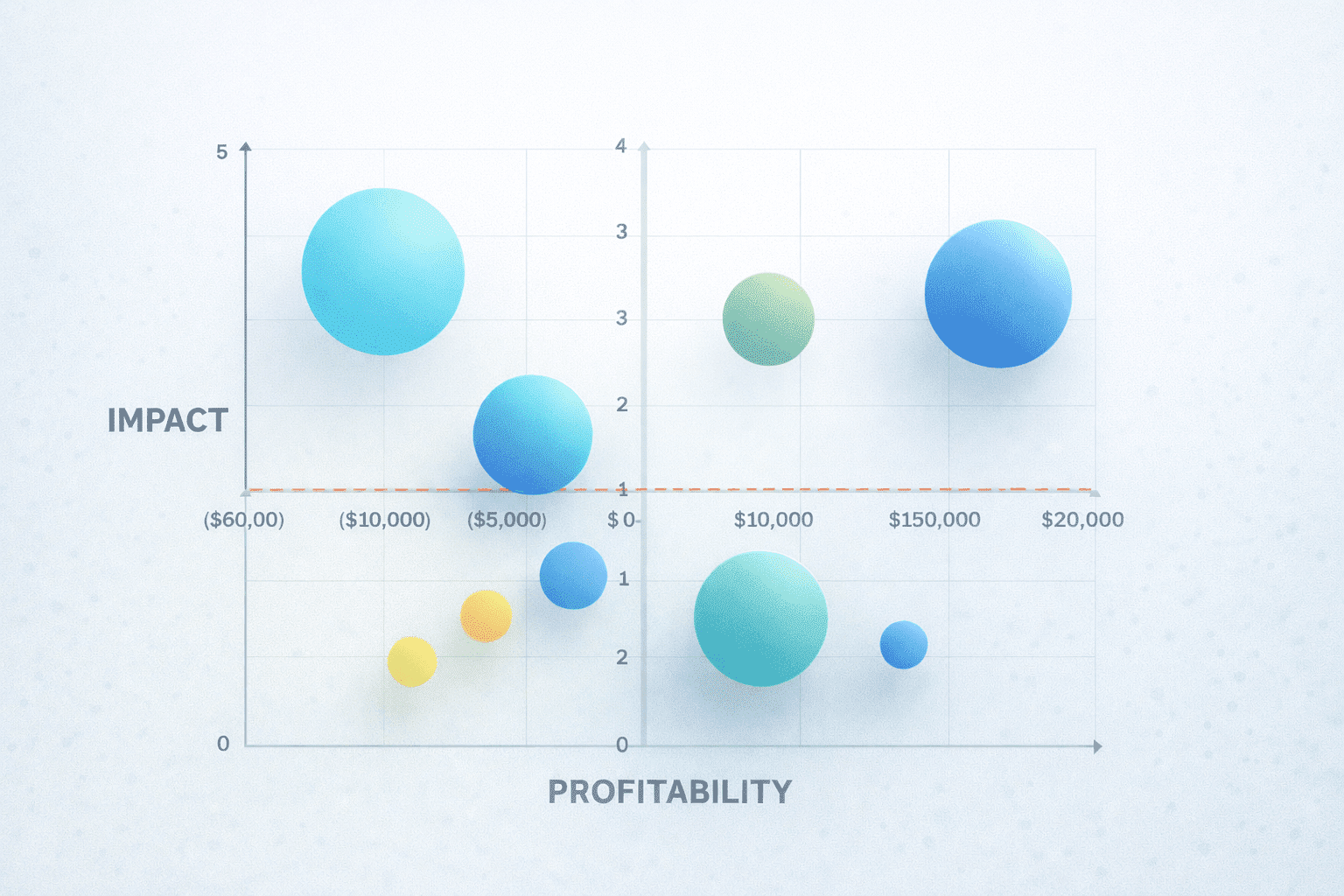
Budget conversations are coming, and if you’re like most nonprofit leaders I’ve worked with, there’s probably a program or two that you’ve been quietly avoiding talking about.

Most nonprofits think carefully about how to ask for donations. The appeal letter gets reviewed by multiple people, the donation page gets tested, and the Giving Tuesday email gets workshopped until every word feels right. But here’s the question almost no one asks: What happens after someone gives?
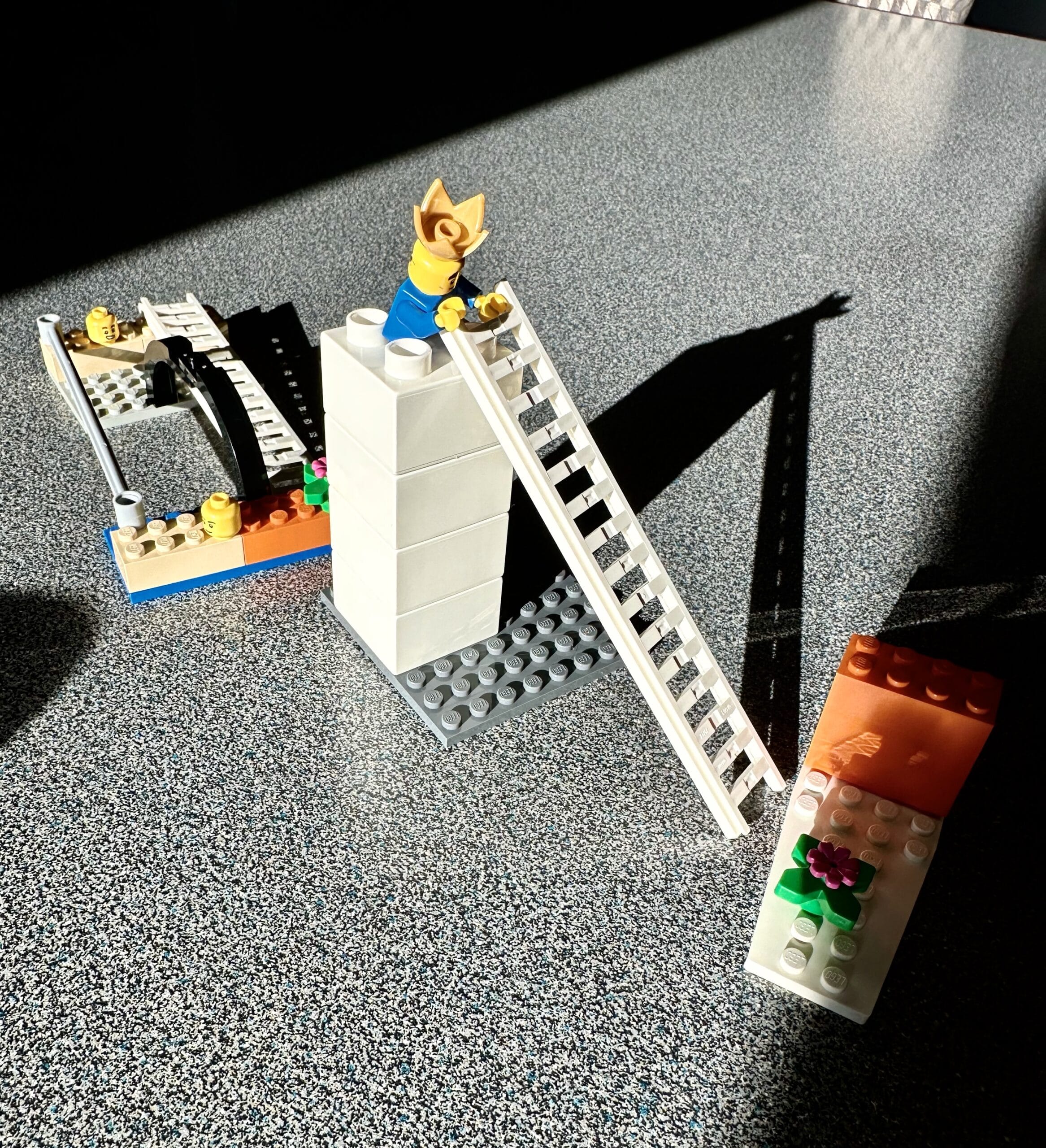
LEGO® Serious Play® isn’t about playing with toys. It’s a research-backed facilitation method grounded in the science of how people actually think, connect, and create. And after years of working in and with nonprofits, I can tell you it works in ways traditional meetings never will.

Of 100 first-time donors, only 20 will give again the following year. Is that a retention problem or a relationship problem? Development staff already know what they should be doing; they just don’t have the time. That’s where AI comes in, not as a replacement for human connection, but as a tool that frees up time for it.

A development director spends her Tuesday afternoon stuffing envelopes while her major donor portfolio sits untouched. This is the reality at most small nonprofits, and it’s the same reason AI adoption isn’t happening the way the tech headlines suggest. The barrier isn’t resistance to innovation. It’s structural.

You’ve spent six hours on a grant report. You’ve carefully described your program activities, documented your outcomes, and crafted language that makes everything sound like it went according to plan. Here’s the thing nobody wants to say out loud: there’s a decent chance no one will actually read it.
If anything you've read resonates with what's surfacing on your board, the next step is a free 30-minute video call. No prep is required on your end, and there's no expectation that we end up working together. If we're not a good fit, we'll point you somewhere else when we can.